
Understanding Remodeling Contracts and Payment Schedules
Starting a home improvement project in The Valley is an exciting milestone. Whether you are updating a single room to better suit your growing family or embarking on an extensive property transformation, the process should be an enjoyable journey toward your dream home. However, the foundation of any successful construction project doesn't begin with a hammer and nails; it begins with a clear, comprehensive written agreement.
Many homeowners feel a mix of anticipation and anxiety when it comes to the administrative side of hiring a residential general contractor. Stories of fluctuating material costs, misaligned expectations, and unexpected delays can make anyone cautious. The key to mitigating these common pain points is transparency. A well-crafted contract and a logical payment structure protect both you and the contractor, establishing a roadmap that ensures everyone is on the same page from day one.
At Best Remodeling and Construction, we believe that informed clients are our best partners. By understanding exactly how contracts work and what a standard financial arrangement looks like, you can enter your next project with confidence, knowing your investment is protected and your expectations will be met.

The Anatomy of a Solid Agreement
One of the most frequent questions we hear from homeowners is regarding what to include in general contractor agreement documentation. A vague contract is a recipe for stress, whereas a highly detailed one serves as a reliable project manual. A professional document should leave no room for guesswork.
First and foremost, your contract must feature a highly detailed scope of work. This section should explicitly outline exactly what tasks will be performed, the specific materials that will be used—down to the brand and model numbers when applicable—and what work is specifically excluded from the project. This level of detail is crucial for complex jobs like whole-home renovations, where the sheer volume of tasks can easily lead to misunderstandings if not properly documented.
Additionally, the agreement should clearly state the projected start and completion dates. While construction is inherently subject to some variables, a professional general contractor will provide a realistic timeline that accounts for standard phases of work.
Insurance and licensing information should also be front and center. You should never have to guess if your contractor is properly covered. The contract should list their license number and verify that they hold adequate liability insurance and workers' compensation. This protects you from any liability in the unlikely event of an on-site accident.
Finally, the contract must include a clear mechanism for handling disputes and outlining warranty information. Knowing how long your contractor stands behind their workmanship provides invaluable peace of mind long after the tools have been packed away.
Breaking Down Payment Schedules
Understanding the financial roadmap of your project is just as important as visualizing the final design. Homeowners often wonder about the standard remodeling contract payment schedule and how much they should be expected to pay upfront.
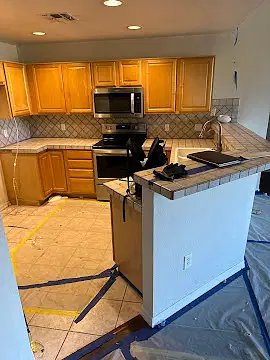
A reputable contractor will never ask for the entire project cost in advance. Instead, payments are typically broken down into an initial deposit followed by a series of scheduled installments. A standard initial deposit usually ranges from 10 to 30 percent of the total project cost, depending on the scale of the job and the upfront cost of custom materials. For example, if you are planning extensive kitchen remodeling that requires ordering custom cabinetry months in advance, the initial deposit helps secure those bespoke materials.
Following the deposit, the remaining balance is tied to home renovation progress payment milestones. These milestones are specific, verifiable points in the construction process. You might make a payment after the demolition and framing are complete, another when the rough electrical and plumbing pass inspection, and another after drywall is installed. Tying payments to tangible progress ensures that you are only paying for work that has actually been completed and that the contractor maintains steady cash flow to keep the project moving forward without delays.
The final payment, often referred to as the retainage, is usually held back until the project is entirely finished. This remaining 5 to 10 percent is paid only after a final walkthrough is conducted, the punch list is completed, and you are completely satisfied with the residential remodeling work.

Navigating Changes and Material Costs
Even with the most meticulous planning, remodeling projects can evolve. You might decide to upgrade your flooring choice halfway through, or the team might uncover outdated wiring behind a wall that requires immediate attention to meet modern safety codes. This is where change orders come into play.
A change order is a written amendment to the original contract that details the new work, the associated costs, and any adjustments to the project timeline. A trustworthy contractor will pause work on that specific element, present you with the change order, and require your signature before proceeding. This completely eliminates surprise charges on your final invoice.
Furthermore, in today's construction climate, navigating fluctuating material costs and supply chain logistics is a common challenge. Your contract should specify how material price increases are handled. Many professional firms now leverage advanced project management software to lock in material prices early, schedule deliveries well in advance, and maintain transparent digital communication with clients. This proactive approach minimizes the risk of supply chain disruptions causing your project timeline to slip.
Partnering with the Right Team
A detailed contract and a fair, milestone-based payment schedule are the hallmarks of a professional contractor who values your trust. By ensuring these elements are clearly defined before the first swing of a hammer, you protect your investment and set the stage for a smooth, rewarding renovation experience.
At Best Remodeling and Construction, we pride ourselves on absolute transparency, detailed project estimating, and clear communication. From custom kitchen upgrades to complex home additions, we ensure you understand every step of the process and every line of the agreement.
If you are ready to transform your Phoenix area home with a team that puts your peace of mind first, contact us today. Let's discuss your vision and create a clear, comprehensive plan to bring it to life.